

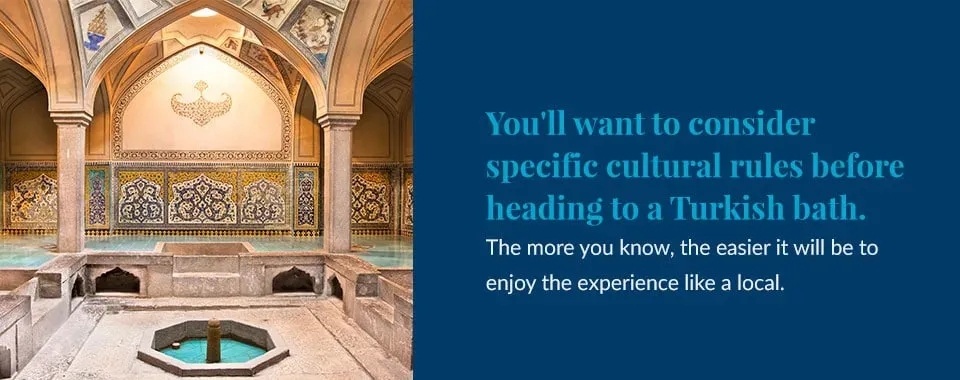
Turkish bath etiquette shapes every moment inside a hammam, guiding guests toward a mindful, respectful, and sensory-rich experience. Understanding the do’s and don’ts in a hammam, the proper way to dress, and how to interact with staff helps you honor centuries-old traditions while staying comfortable. Clear signage and friendly attendants make it easier to follow hammam etiquette and maintain a calm, communal atmosphere. This guide also aligns with Turkish bath rules and Turkish spa etiquette, emphasizing modesty, hydration, and quiet conversation in shared spaces. Finally, you’ll encounter hammam bathing rituals that blend steam, exfoliation, and massage into a cohesive, restorative routine.
Beyond the specific phrases in etiquette guides, the essence of the hammam experience rests on respect for space, tradition, and personal comfort. When travelers think of this cleansing rite, alternative terms like traditional bath culture, steam-room rituals, and Ottoman-era public bathing come to mind, each highlighting a facet of the same practice. In practice, the mood is calm, the pace deliberate, and attention to others’ privacy paramount. The experience often weaves communal spaces with private moments, with attendants guiding you through steps and adjusting pressure to suit your comfort. Hydration, mindful movement, and clear communication with staff help ensure a safe and enjoyable visit. In short, the ethos behind this ancient bathing tradition is to honor the heritage while supporting your wellbeing, so you leave feeling refreshed and culturally enriched.
Turkish Bath Etiquette: Understanding What It Is and Why It Matters
A hammam is more than a cleansing ritual; it is a cultural practice where cleanliness, hospitality, and mindful behavior come together. Understanding Turkish bath etiquette helps you participate respectfully in a shared space that has welcomed guests for generations. By recognizing the subtle rhythms of the experience—from the steamy air to the attentive staff—you can contribute to an atmosphere of dignity, comfort, and mutual respect. This is the core of hammam etiquette that transforms a spa visit into a meaningful cultural exchange.
The etiquette framework isn’t about rigid rules so much as considerate conduct that honors the tradition and protects the comfort of everyone present. Turkish bath etiquette guides how guests interact with attendants, fellow bathers, and the environment, reinforcing the social norms that make these spaces welcoming. Embracing the etiquette also aligns with Turkish bath rules that govern modesty, privacy, and the careful pacing of the ritual, helping you enjoy the full ambiance with confidence.
Preparing for Your Hammam Visit: Mindset, Dress, and Practicalities
Before you step into the steam, set a respectful mindset that mirrors the spirit of hammam etiquette. Checking the facility’s rules in advance—especially about entry times, gender sections, and private spaces—prevents awkward moments and ensures a smooth start. Knowing what to expect helps you engage with the experience as a shared ritual rather than a quick service.
How you dress and what you bring matter as much as your attitude. Traditional setups often involve a pestemal or towel, while some places provide robes. Carry a spare towel, basic soap, and a change of underwear to respect others’ comfort. Footwear is typically removed, and staff may request you wash your feet before entering. These practical steps align with Turkish spa etiquette and the broader hammam etiquette that prioritize cleanliness and modesty.
The Traditional Bathing Sequence: Entry to Rest and Hydration
A typical hammam experience follows a reverent sequence designed to cleanse, exfoliate, and soothe the body. You enter a warm chamber, acclimate to the heat, and begin with self-washing to prepare the skin. This phase is about mindful preparation—an essential part of hammam bathing rituals that sets the tone for what follows.
The kese exfoliation, foam, and optional massage form the heart of the ritual. Trained attendants balance pressure to avoid discomfort while removing dead skin and stimulating circulation. After exfoliation, a foam bath envelops you in lathery cleansing, followed by a rinse and a period to rest and rehydrate. Throughout, you can adapt the pressure and pace to your comfort, which is in line with respected hammam etiquette and the nuanced Turkish bath rules that guide the sequence.
Do’s, Don’ts, Respectful Behavior, and Tipping in the Hammam
Do’s in the hammam emphasize punctuality, clear communication of needs, and a quiet, respectful atmosphere. Arriving on time and following the facility’s guidelines about nudity and privacy demonstrates thoughtful adherence to hammam etiquette. Communicate any sensitivities or medical considerations to staff so they can tailor the experience while maintaining comfort for everyone.
Don’ts focus on privacy, noise, and rushing through the ritual. Avoid photographing others, speaking loudly, or pressuring attendants to rush steps. Properly rinse and clean up after yourself to keep shared spaces tidy. Tipping is a common courtesy for direct services, and understanding local norms—sometimes guided by staff or fellow guests—helps you practice courteous Turkish spa etiquette that honors the people delivering the experience.
Adapting Turkish Bath Etiquette Across Settings: From Historic Baths to Modern Spas
Across Turkey and nearby regions, hammams vary in layout, language, and social norms. In historic Istanbul baths, distinct customs may linger, while modern spas might offer multilingual staff and streamlined experiences. Regardless of setting, the core Turkish bath etiquette remains—respect for others, mindful participation in the ritual, and attention to personal wellbeing.
When visiting different environments, observe posted guidelines, follow body language cues from staff, and ask questions if anything is unclear. Luxury hotels may provide privacy screens and private rooms, whereas neighborhood baths may emphasize communal spirit. By adapting while keeping the underlying hammam etiquette, Turkish bath rules, and do’s and don’ts in a hammam in mind, you can enjoy a seamless, culturally rich experience no matter where you bathe.
Frequently Asked Questions
What is the core hammam etiquette every first-time visitor should know, and how does Turkish bath etiquette shape the experience?
Start by checking the facility’s rules and dressing with a pestemal or towel; communicate needs and maintain modesty. The typical bathing sequence—steam, self-washing, kese exfoliation, foam massage, rinse—should be approached calmly, with comfort and consent at the center of the experience. In hammam etiquette, respect for others and staff helps preserve the ritual’s atmosphere.
What are the do’s and don’ts in a hammam that best reflect the spirit of hammam etiquette while visiting?
Do arrive on time, follow the venue’s entry and nudity guidelines, and wear a pestemal or towel; stay hydrated and speak softly. Do communicate sensitivities to staff, respect personal space, and tidy up after yourself. Don’t photograph others, don’t be loud, don’t rush attendants, and don’t apply heavy cosmetics. These practices reflect the do’s and don’ts in a hammam and the broader hammam etiquette that sustains a respectful Turkish bath experience.
How do Turkish bath rules and hammam bathing rituals govern the exfoliation and foam massage in practice?
Turkish bath rules govern how the kese exfoliation is performed—the pressure and technique—while hammam bathing rituals describe the overall cleansing sequence. Always tell staff if the pressure is too strong or if you want to adjust the pace; attendants balance effectiveness with comfort. Respect for privacy and hygiene is part of the etiquette, as is mindful tipping for services.
What should you wear and how should you behave according to Turkish spa etiquette during a hammam visit?
Wear a pestemal or towel, and follow venue norms regarding nudity and privacy, which can vary by establishment under Turkish spa etiquette. Stay modest where required, avoid heavy cosmetics, and ask staff for guidance on the best sequence of steps. The hammam bathing rituals emphasize gradual cleansing, respectful interaction, and comfort for you and others.
Are there regional variations in hammam etiquette, and how do Turkish spa etiquette and Turkish bath rules adapt across different baths?
Regional variations exist in hammam etiquette; historic Istanbul baths may retain grand rituals, while neighborhood hammams can be more traditional or casual. Always follow posted guidelines and ask staff if you’re unsure about local expectations. Understanding Turkish spa etiquette and Turkish bath rules helps you adapt respectfully while still enjoying the core ritual.
| Aspect | Key Points |
|---|---|
| What is a hammam and why etiquette matters | A hammam is a public bathhouse rooted in Ottoman and broader Middle Eastern practices. The experience follows a cleansing sequence (steam, exfoliation with kese, and soap massage). Etiquette preserves dignity, comfort, staff respect, and the environment; Turkish bath etiquette emphasizes mindful behavior to enhance the atmosphere for everyone. |
| Preparing for your visit: mindset and practicalities | Check facility rules (mixed vs. segregated hours, private rooms). Dress with a pestemal or towel; carry a spare towel, soap, and underwear. Leave footwear outside, wash your feet before entering, and inform staff of any skin sensitivities or medical concerns. |
| From welcome to cleanse: the typical bathing sequence | Entry and warmth to acclimate; self-washing at a basin; exfoliation with kese; foam and gentle massage; rinsing and rest. Ask staff if unsure to adapt the ritual to your comfort. |
| What to wear and how to behave: practical do’s and don’ts | Do arrive on time and follow entry/nudity guidelines; communicate needs; keep noise low; respect personal space; stay hydrated; clean up after yourself. Don’ts include not photographing, avoiding loud behavior, not rushing staff, avoiding heavy cosmetics, and not skipping essential rinses. |
| Guide to the exfoliation ritual: kese, soap, and foam | Kese exfoliation uses a rough glove to remove dead skin with invigorating pressure (adjust with staff). Foam is applied, then a second rinse; moisturizers may be offered as an optional final touch. |
| Regional nuances and variations in Turkish bath etiquette | Etiquette varies by region and facility (historic Istanbul baths vs modern hammams). Look for posted guidelines, follow staff cues, and ask questions in traditional or neighborhood baths where English may be limited. |
| Cultural sensitivity, tipping, and service expectations | Tipping is common for direct services. Observe others or ask staff about norms, and tip the attendant who performed the service. |
| Health considerations and safety tips for hammam visits | Consult a clinician if you have skin infections, open wounds, allergies, or pregnancy concerns. Hydrate before and after; inform staff if dizzy or uncomfortable. |
| How to adapt Turkish bath etiquette to different settings | Settings range from luxury hotel hammams to neighborhood baths. Core principles—respect, mindful participation, and self-care—remain; follow local dress codes and gender-segregation rules where applicable. |
Summary
Turkish bath etiquette shapes a meaningful, sensory hammam experience that blends cleansing, relaxation, and social courtesy. By understanding the typical bathing sequence, practical do’s and don’ts, and regional variations, visitors can engage with the ritual respectfully while savoring the atmosphere. The core aim is not to rush but to participate mindfully, allowing the attendants’ expertise and the steam to guide the pace. In embracing this etiquette, travelers and locals alike foster comfort, dignity, and cultural reciprocity in hammams around the world. This descriptive guide invites you to observe, ask questions when needed, and enjoy the restorative, communal spirit at the heart of Turkish baths.