

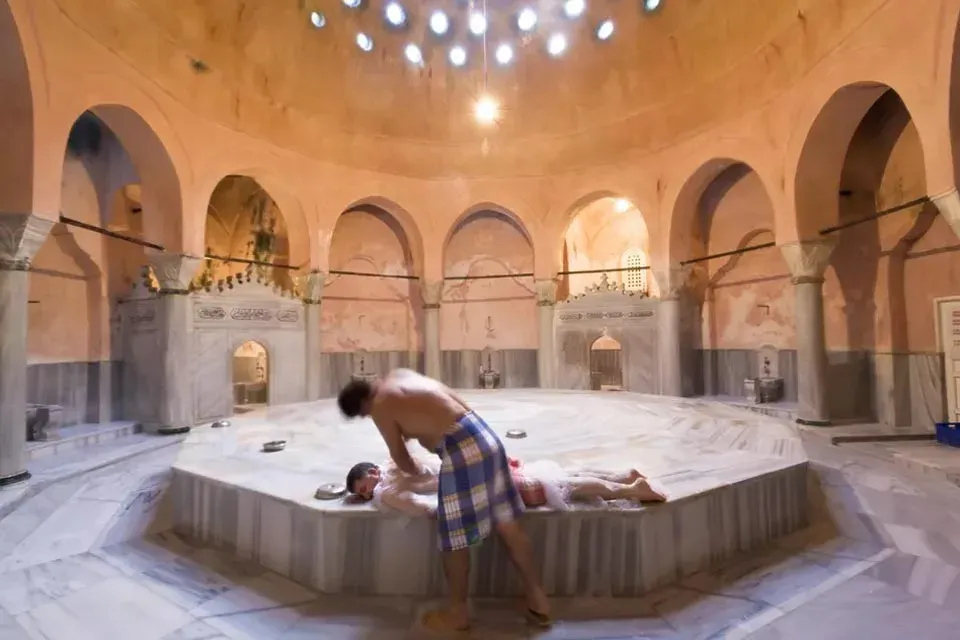
Turkish Bath invites you into a ceremonial spa tradition where steam, marble, and ritual rhythm set the mood for renewal. As you move through the experience, you’ll discover Turkish bath benefits that extend beyond relaxation, from improved circulation to softened skin. You’ll notice hammam differences in pace and technique, especially in the balance of heat, cleansing, and massage that defines this ritual. The routine often features the kese mitt, lush lather, and a soap massage that anchor Turkish bath rituals as both a cultural practice and a wellness discipline. If you’re weighing a spa day vs Turkish Bath, this guide will outline distinctions, benefits, and the cultural context behind hammam traditions to help you decide what suits your mood.
Beyond the shared goal of relaxation, this ancient steam bath tradition—often called the hammam in its homeland—offers a distinct sequence of cleansing and social ritual. Known for marble halls, hot rooms, and exfoliating rituals, the hammam traditions emphasize communal cleansing, while modern spa atmospheres focus on privacy and personalized treatments. If you’re curious about the experience, think of a ceremonial cleansing with heat, water, and expert touch designed to ease muscles, brighten skin, and clear the mind. In contrast, a spa day centers on a menu of customizable therapies—massages, facials, and private treatment rooms—delivering targeted benefits while preserving your solitude. Together, these options reflect a spectrum of wellness, where heritage and personalization meet in a relaxing ritual about body care, culture, and personal renewal.
1) Turkish Bath Benefits, Hammam Traditions, and Rituals
The Turkish Bath, or hammam, is a multi-stage cleansing ritual performed in a steamy, marble-clad space. It blends heat, moisture, exfoliation with a kese mitt, and a soap or olive-oil-based lather to purify the skin. Turkish bath benefits include improved skin texture, enhanced circulation, and a pronounced sense of relaxation and mental calm. The ritual also reflects hammam traditions that value ceremony, intention, and communal care, making the experience feel like a cultural retreat as much as a spa treatment.
Beyond the physical effects, the Turkish bath rituals foster mindfulness and connection. The sequence—warm rooms to open pores, followed by steam, exfoliation, and massage—helps release tension and invites deliberate breathing, supporting stress reduction. When executed well, this ritual can leave you feeling centered, with smoother skin and a clearer mind, turning self-care into a meaningful wellness moment.
2) Hammam Differences Explained: From Turkish Bath Rituals to Spa Day Features
Hammam differences become clear when comparing a traditional Turkish Bath to a contemporary spa day. In a hammam, the experience is often multi-stage and can be communal, with shared steam spaces and a guided progression from warmth to cleansing to massage. The Turkish bath rituals are deeply rooted in history and culture, shaping not just the treatment but the atmosphere, language of care, and social cues.
By contrast, a spa day typically offers standalone services chosen à la carte, with private treatment rooms and a privacy-forward environment. The equipment and techniques extend beyond exfoliation to include hot stones, aromatherapy, specialized facials, and modern massage methods, reflecting contemporary spa design and preferences. These differences influence how you experience time, privacy, and personal ritual.
3) Turkish Bath Rituals and Skin Health: From Steam to Exfoliation
Turkish bath rituals center on steam, perspiration, and cleansing through mechanical exfoliation with a kese mitt. This process can help open pores, remove dead skin cells, and support improved skin texture and tone, delivering what many describe as the Turkish bath benefits. The ritualistic steps make skin care feel ceremonial rather than routine, emphasizing a mindful approach to cleansing.
Following exfoliation, a soap massage or olive oil-based cleanse delivers hydration and polish, while enhanced circulation supports vitality. The heat and friction of the hammam ritual can boost product absorption and leave skin feeling smooth, but hydration afterward is essential to maximize results and maintain moisture balance.
4) Spa Day vs Turkish Bath: Choosing the Right Wellness Path
When deciding between a spa day and a Turkish Bath, many seek either a quick private escape or a deeply cultural, ceremonial ritual. The spa day vs Turkish Bath choice often comes down to preference for personalization, pace, and atmosphere—whether you want targeted treatments or a full ritual experience. Understanding the differences helps you align your choice with mood and goals.
If privacy, customization, and scheduling flexibility are priorities, a spa day offers a curated menu of massages, facials, and body treatments with private rooms and quiet ambiance. If you’re drawn to communal practices, heritage, and a structured sequence, a Turkish Bath delivers a distinct, restorative journey through hammam traditions and rituals.
5) Embrace Hammam Traditions: A Ceremonial Journey for Mind and Body
Embracing hammam traditions invites a ceremonial mindset to your self-care routine. The careful choreography—from heat to cleansing to massage—nurtures mental calm, reduces stress, and fosters mindfulness while supporting skin health through exfoliation and hydration. Adopting this ritual shape can transform a spa-like moment into a cultural practice that resonates deeply.
This journey is about more than the body; it’s about returning to a rhythm and honoring ritual as self-respect. Integrating hammam traditions into a wellness routine complements modern spa experiences, broadening the lens on relaxation, culture, and long-term well-being, and encouraging a more thoughtful approach to self-care.
Frequently Asked Questions
What are the Turkish bath benefits for body and mind, and how do they compare to a spa day?
Turkish bath benefits include improved skin texture, deeper relaxation, muscle relief, and better circulation through a structured ritual of steaming, exfoliation with a kese mitt, and a soothing massage. Compared with a spa day, a hammam emphasizes ceremonial flow and communal ambiance, while a spa day focuses on private, customized treatments.
What are hammam differences in atmosphere, process, and social experience compared to a modern spa?
Hammam differences include steamy, marble-clad spaces with a set sequence and exfoliation using a kese mitt, a potentially communal learning environment, and slower, ritual pacing. A modern spa typically offers private treatment rooms, individualized services, and flexible scheduling.
What are Turkish bath rituals, and what should a first-timer expect?
Turkish bath rituals involve a multi-stage cleansing in warm rooms, steaming to open pores, exfoliation with a kese mitt, soap or olive oil cleansing, and a massage. A first-timer can expect guidance from attendants, a gradual pace, and a focus on mindful relaxation.
How should you decide between spa day vs Turkish Bath when seeking relaxation and personalized services?
Spa day vs Turkish Bath comes down to preference for flexibility and privacy versus tradition and ritual. A spa day offers customizable services and privacy in individual rooms, while a Turkish Bath provides a structured, ceremonial experience with cultural context and communal elements.
What are hammam traditions and how do they contribute to wellness?
Hammam traditions center on warming, cleansing, exfoliating, and massage within a ceremonial setting. These practices foster mindfulness, relaxation, cultural connection, and a sense of timelessness, contributing to overall well-being and stress reduction.
| Aspect | Turkish Bath (Hammam) | Spa Day |
|---|---|---|
| What it is | Ceremonial, multi-stage cleansing ritual in a steamy, marble-clad space rooted in Middle Eastern and Mediterranean traditions. | Customizable wellness experience offering massages, facials, body treatments, manicures, pedicures, and relaxation in private or semi-private settings. |
| Process & Pace | Guided sequence: warm rooms to open pores, exfoliation with a kese mitt, soap or olive oil lather, and a massage. | A la carte pacing with selected services; flexible timing and durations. |
| Atmosphere | Ceremonial and communal at times, with slow movements, rhythmic water sounds, and a timeless ambiance. | Private sanctuary feel with dim lighting, soothing music, curated scents, and personal comfort. |
| Techniques & Tools | Kese mitt exfoliation, soap massage, steam, and heat; traditional ritual equipment. | Modern techniques and tools: facials, aromatherapy, hot stones, and various massage styles. |
| Setting & Design | Old-world marble, tilework, steam corridors, and ritual flow. | Contemporary luxury with private treatment rooms and predictable service sequences. |
| Similarities | Relaxation, stress relief, improved circulation, skin cleansing, and a mental reset through ritual self-care. | Relaxation, stress relief, improved circulation, skin benefits, and personal pampering as a break from routine. |
| Health Benefits Focus | Heat and exfoliation support skin health, circulation, muscle tension relief, and meditative calm. | Targeted therapies improve skin health, muscle relaxation, circulation, and mood. |
| Who should choose | If you seek a guided ritual with cultural context and longer visits. | If you want flexible services, privacy, and a broad range of skincare and body treatments. |
| Tips for First-Timers | Communicate comfort levels, hydrate, pace yourself, ask about steps, and moisturize afterward. | Disclose sensitivities or allergies, stay hydrated, follow aftercare instructions, and adjust expectations for pace. |
| Incorporating Both | Consider rotating with hammam experiences or adding hammam style elements to a spa day for a cultural mix. | Combine experiences in cosmopolitan settings to enjoy a full spectrum of relaxation and skincare. |
Summary
Turkish Bath offers a timeless, ritual-driven path to relaxation and rejuvenation, blending exfoliation, heat, and cultural heritage in a hammam setting. This ceremonial experience emphasizes a guided sequence, communal atmosphere, and a deep sense of presence, while also delivering tangible skin renewal, improved circulation, and muscle relief. In contrast, a spa day centers on customization, privacy, and a broad menu of services—from massages to facials to body treatments—designed to target specific wellness goals. Yet both pathways share core benefits: stress reduction, better circulation, skin health, and a renewed sense of balance. You can weave both into a wellness routine, alternating between the cultural immersion of a Turkish Bath and the tailored comfort of a spa day, to discover what resonates most with your body, mood, and schedule. Embrace the journey of self-care as you explore these ancient and modern approaches to holistic wellbeing.