

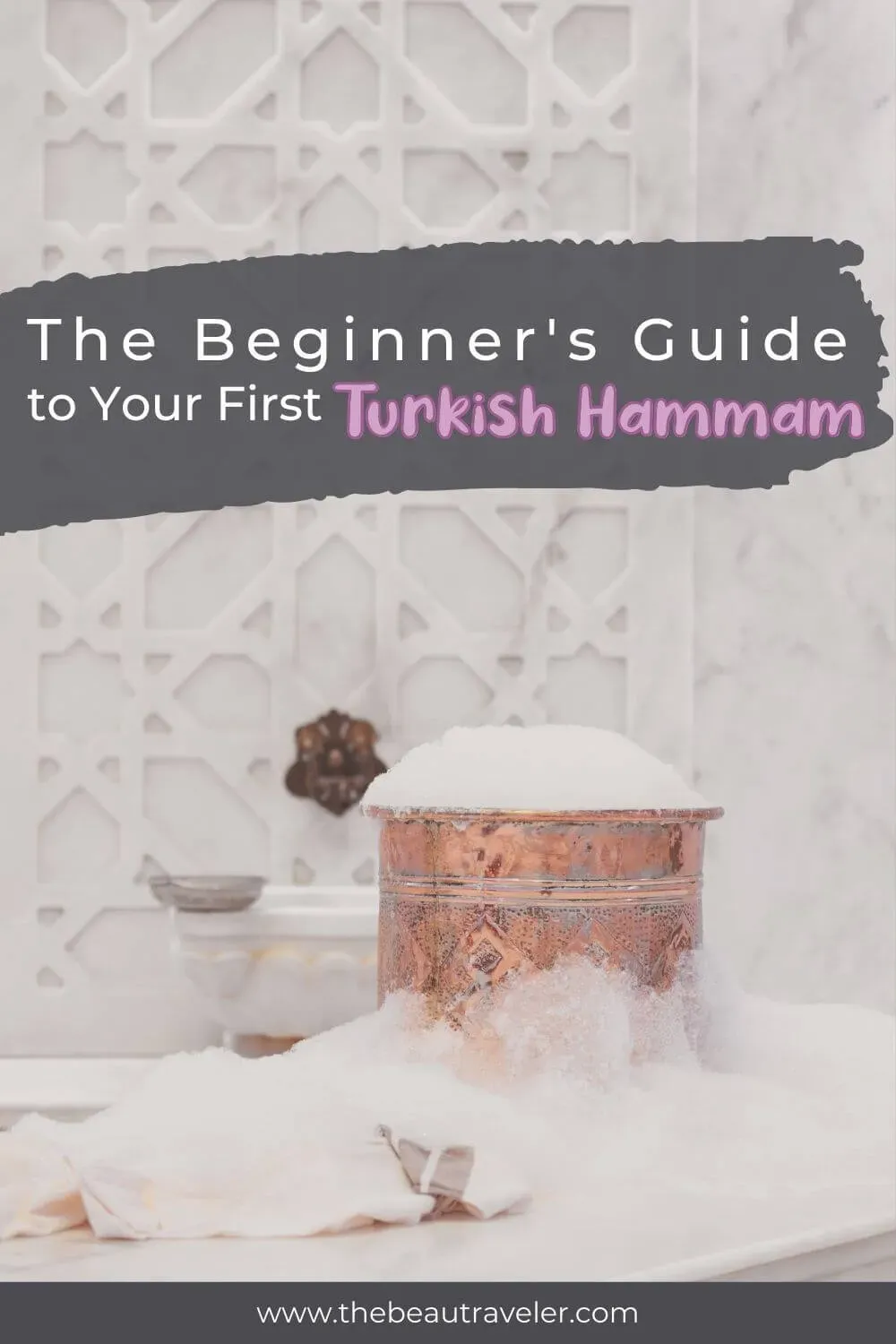
As a Turkish hammam guide, this engaging introductory overview invites you into a ritual that blends cleansing, culture, social warmth, and lasting relaxation, setting the stage for a meaningful visit. From Turkish bath etiquette, with its emphasis on modesty and courtesy, to the hush and marble glow of steam-filled chambers, the experience weaves centuries of tradition with modern spa sensibilities. Understanding the hammam process and what to expect helps you move through a carefully choreographed sequence—cool room, warm embrace, exfoliating kese, foam massage, and soothing rinses—with confidence. This mindset prepares you to participate respectfully, communicate preferences kindly, and savor the cleansing and relaxation without rushing, making the most of the sensory atmosphere, scents, and generous hospitality, seasonings of tradition, and quiet camaraderie often accompany the shared ritual. By approaching the Turkish hammam with curiosity and patience, you’ll likely leave refreshed, centered, and inspired to explore more of this ancient cultural ritual.
Beyond the surface heat, this heritage sits within a broader wellness tradition found in many cultures’ steam baths and bathhouses. Visitors experience a sequence of intimate spaces designed for aromatic environments, textured scrubs, and massage-like foam that softens the skin and quiets the mind. The ritual emphasizes etiquette, privacy, and patient pacing, connecting guests to a centuries-old practice that continues to flourish in hotels, coastal resorts, and historic bathhouses. Whether you’re wandering Istanbul’s historic baths or modern spa facilities along the coast, the core idea remains a restorative pause that blends cleansing, sociability, and calm.
Turkish hammam guide: Understanding the Hammam Process and What to Expect
A Turkish hammam unfolds as a designed sequence of spaces, rituals, and sensations. The hammam process and what to expect typically begin with a calm entry into cooler spaces and progress through a series of heated rooms that invite gentle sweating, skin preparation, and cleansing. Though each spa or bathhouse may have its own rhythm, the core flow remains recognizable: heat, steam, and a methodical progression toward cleansing, relaxation, and renewal.
To make the most of this traditional experience, it helps to know what comes next and how to pace yourself. Attentive attendants guide you through the scrub, the soap massage, and the final rinse, while guests take time to rest between stages. Understanding these steps not only reduces anxiety but also enhances your sense of immersion in a centuries-old ritual.
As you plan, consider practical details such as modest attire, hydration, and expectations around the kese scrub. Knowing the general sequence and what to anticipate can transform a first visit into a confident, enjoyable, and culturally respectful experience, whether you’re in Istanbul’s historic quarters or a resort town by the sea.
Turkish Bath Etiquette: Respectful Practices in Steam and Marble
Turkish bath etiquette centers on modesty, calm conduct, and mutual respect in shared spaces. In a traditional hammam, speak softly, move with intention, and avoid loud behavior that can disrupt the tranquil atmosphere. The emphasis on courtesy helps ensure everyone feels comfortable while the ritual unfolds around heat, steam, and marble surfaces.
Guided interactions with attendants are part of the etiquette, and asking for adjustments—whether a lighter scrub or a slower massage—is encouraged. Respect for privacy and boundaries is essential, especially in gender-segregated settings or family-oriented baths. A small tip to acknowledge careful work is common in many places, signaling appreciation for expertise and care.
While the setting is public, the spirit of the experience invites quiet conversation, mindful pace, and a willingness to follow posted signs or staff guidance. With patience and courtesy, you’ll participate in a shared cultural ritual that has connected communities for generations.
What to Wear in a Hammam: Attire for Modesty and Comfort
Understanding what to wear in a hammam can ease nerves and let you focus on the ritual itself. Attire commonly centers on modesty and practicality, with pestemal towels or lightweight wraps frequently used in the early stages of the visit. Depending on the locale, guests may also wear swimwear in changing areas or certain steam spaces, so it’s wise to check local rules before entering and adjust accordingly.
Footwear such as flip-flops or waterproof sandals helps manage wet, slippery floors, while a spare towel or robe offers extra coverage for comfort. The goal is to balance modesty with ease of movement during the scrub and foam massage, so many travelers opt for simple, quick-drying options that can be adjusted as you become more comfortable with the ritual.
Traditional Turkish Bath Benefits: Health, Skin, and Social Rewards
The traditional Turkish bath benefits extend beyond cleansing. Regular visits can promote relaxation, reduce muscular tension, and foster a sense of mental calm through the steady pace of heat and massage. The warmth helps ease tight areas in the neck, back, and shoulders, while the kese exfoliation supports smoother skin and better absorption of moisturizers.
In addition to physical rewards, the hammam offers a unique social and cultural experience. Participating in this enduring ritual connects travelers with local traditions, creating a shared sense of community. Many visitors report a refreshed body, a clearer mind, and a renewed sense of gratitude for the opportunity to engage with a time-honored practice.
Hammam Tips for Beginners: Simple Steps to Start Your First Visit
Hammam tips for beginners focus on preparation, pacing, and clear communication. Arrive with a plan for what you want from the visit—whether it’s a scrub, a foam massage, or a simple steam session—and communicate your preferences to staff. This upfront clarity helps ensure the experience aligns with your comfort level from the start.
Bring practical essentials, such as a clean spare towel and water for hydration, and allow yourself time to build a comfortable rhythm. Start with gentler sessions if you’re unsure about the scrub, and gradually explore longer or more intensive treatments as you gain familiarity with the process. Asking questions about traditional Turkish bath benefits or product choices can also enrich your understanding and appreciation.
Frequently Asked Questions
In a Turkish hammam guide, what is the hammam process and what to expect in terms of rooms and rituals?
The hammam process and what to expect outlines a sequence of spaces: arrival and changing area, shower, warm room, kese scrub, foam massage, rinse and rest, and leaving. This ritual emphasizes heat, steam, cleansing, and a calm marble atmosphere, so progress at your own pace and follow the attendant’s guidance.
How does Turkish bath etiquette shape behavior according to a Turkish hammam guide?
Turkish bath etiquette in the guide centers on modesty, a quiet, respectful atmosphere, and clear communication with attendants. It also covers privacy expectations, gender considerations, and appropriate tipping, helping guests navigate shared spaces smoothly.
What are the traditional Turkish bath benefits highlighted in a Turkish hammam guide, and how do they support relaxation and skin health?
The traditional Turkish bath benefits highlighted include relaxation and stress relief, skin cleansing and exfoliation, improved circulation, and a sense of social and cultural connection. These benefits contribute to both physical well-being and a deeper sense of renewal after a session.
In a Turkish hammam guide, what to wear in a hammam to balance modesty and comfort across different settings?
What to wear in a hammam covers pestemal towels, possible swimwear depending on local rules, practical footwear, and modesty options like a lightweight robe. Check local rules and choose attire that keeps you comfortable and respectful.
What hammam tips for beginners does the Turkish hammam guide recommend for first-time visitors to approach the ritual with confidence?
Hammam tips for beginners include arriving with a plan for what you want (scrub, massage, or a relaxing steam), bringing essentials, moving at a comfortable pace, starting with gentler sessions, respecting local customs, and asking questions if you’re curious.
| Aspect | Key Points |
|---|---|
| What is a Turkish hammam? |
|
| Hammam Process (What to Expect) |
|
| Etiquette and Respect |
|
| What to Wear in a Hammam |
|
| Health and Safety Considerations |
|
| Benefits of a Traditional Turkish Bath |
|
| Choosing a Hammam |
|
| Hammam Tips for Beginners |
|
| Common Questions and Myths |
|