

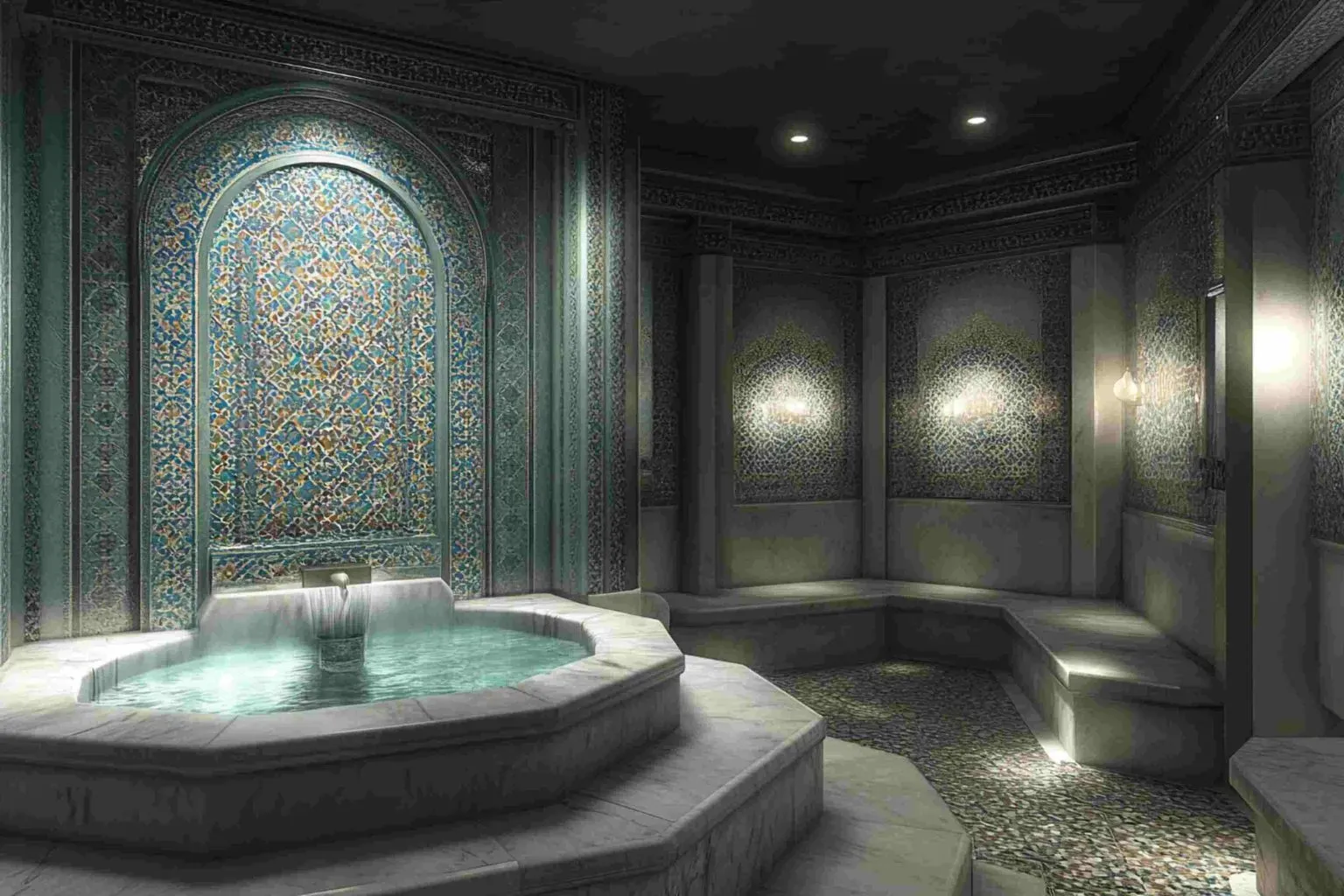
Turkish Hammam vs Sauna offers distinct paths to relaxation and wellness, inviting readers to compare two time-honored traditions. Both experiences promise relief from daily stress and a chance to stimulate circulation through heat and humidity. Understanding turkish hammam benefits helps set expectations for skin cleansing, social atmosphere, and ceremonial massage. The hammam vs sauna differences extend beyond temperature, reflecting wet heat vs dry heat and shaping breathing, sweating patterns, and the rituals you encounter. By knowing how heat, humidity, and etiquette come together, you can choose the setting that best fits your goals.
From a semantic perspective, you can think of these heat experiences as steam baths and dry saunas, both offering cleansing, relaxation, and metabolic benefits that modern spa-goers seek. Where the first experience leans toward social ceremonial rituals and richly humid air, the second emphasizes private focus, shorter sessions, and routines guided by sauna etiquette. If you’re exploring broader wellness traditions, consider the traditional spa rituals that often accompany both, from exfoliating scrubs and aromatics to ritual washing and mindful breathing. Ultimately, the choice comes down to tolerance for humidity, preferred pace, and context, whether you want a communal, ceremonial mood or a quiet, individual recharge.
1. Turkish Hammam vs Sauna: Key Differences in Heat, Humidity, and Sensory Experience
When you compare Turkish Hammam and Sauna experiences, the most obvious distinction is the environment created by heat and moisture. A Turkish hammam typically operates at moderate temperatures—roughly 40-50°C (104-122°F)—but with very high humidity. The air feels moist and enveloping, which supports a gentler, more lingering warmth. This setting often enhances skin hydration and prepares the body for cleansing rituals, aligning with the traditional idea that steam and moisture promote relaxation and detoxification. In this sense, the hammam can offer a sensory experience that is as much about atmosphere as it is about heat.
In contrast, a traditional sauna delivers dry heat at higher temperatures—commonly 70-100°C (158-212°F)—with humidity kept below 20%. The air is thinner, the warmth more penetrating, and the sweat tends to pour out quickly and abundantly. This difference isn’t merely a matter of comfort; it shapes breathing, perceived intensity, and how your body responds during and after the session. If you’re exploring hammam benefits, you’ll often find that the moist, ceremonial environment complements slower, ritualized movements, while the sauna emphasizes shorter, high-intensity sweats.
2. Wet Heat vs Dry Heat: How Each Modality Shapes Comfort, Breathing, and Detox
Venturing further into the science of heat therapy, wet heat and dry heat produce distinct physiological responses. Wet heat, as found in hammams and steam rooms, can ease breathing for some people by adding humidity that soothes the mucous membranes and promotes a steady, manageable sweat. The humidity can also support more thorough cleansing of the skin, helping to loosen surface oils and impurities as you relax into the environment. If your goal includes skin cleansing and a sense of enveloping warmth, wet heat can be especially appealing.
Dry heat, typical of saunas, tends to drive a faster, more intense sweat with less moisture in the air. The dry environment can feel lighter in the lungs at first, but the heat is concentrated and can quickly elevate heart rate. This makes dry heat an efficient option for warming muscles and promoting circulation in a relatively short amount of time. When considering hammam vs sauna differences, think about tolerance to humidity and preference for a longer, gentler experience versus a brisk, piercing heat.
3. The Ritual Journey: Traditional Spa Rituals in Hammams and Saunas
A hallmark of the Turkish Hammam experience is its series of ritual stations, often built with marble, mosaic tiles, and curved arches. Visitors move through progressively warmer rooms, culminating in a hot steam chamber before cooling down with a shower or plunge. The spa ritual frequently includes a foam wash, loofah exfoliation, and an optional massage, all conducted with ceremonial etiquette. This traditional spa ritual emphasizes social connection and a shared pace, inviting you to linger a little longer in the warmth and let the body adjust gradually to the heat.
Sauna rituals, by contrast, tend to emphasize simplicity and personal pacing. A wooden cabin houses the heater or stove, and benches are arranged to accommodate layered sweating. The routine may involve short bouts of heat, intermittent rinses, and a cool-down period in a separate space. In modern spa settings, saunas are often paired with aromatherapy and adjacent steam rooms, but the core idea remains focused on controlled exposure to dry heat and quiet reflection. The contrast between the social, multi-room flow of a hammam and the solitary, streamlined sauna ritual is a vivid example of how traditional spa rituals shape overall experience.
4. Etiquette and Comfort: Sauna Etiquette and Hammam Etiquette for First-Timers
Etiquette plays a crucial role in ensuring comfort and respect in shared thermal spaces. In hammams, modest coverings are common, and towels or wraps are used in communal areas. If you opt for a massage or exfoliating treatment, trained attendants perform the service, and tipping is customary in many cultures. The emphasis is on comfort, pace, and maintaining a respectful tone with others who are sharing the space. listen to guidance from staff about attire and practices to avoid discomfort for yourself and fellow guests.
In saunas, etiquette tends to emphasize privacy and personal pacing. A pre-entry shower is typically expected, jewelry should be removed to prevent heat damage, and a towel is used to sit on the bench. Hydration is essential, and time should be managed to prevent overheating. The general rule is to listen to your body, take breaks when needed, and avoid heavy meals or alcohol immediately before or after sessions. Across both settings, staying mindful of others and respecting signage and rules helps create a safe, enjoyable experience.
5. Practical Guide to Choosing Your Thermal Experience: Aligning Goals with Heat, Time, and Health
To decide between the Turkish Hammam benefits and sauna advantages, start with your goals. If you’re drawn to a social, ceremonial atmosphere and a gradual heat progression with a focus on cleansing rituals, the hammam may offer a more satisfying path. For those seeking deeper, faster sweating and a more private, highly efficient heat experience, a sauna can be the better fit. Understanding hammam vs sauna differences in your own body helps you select the setting that aligns with your health goals and schedule.
Practical tips can also help you get the most from your session. Begin with shorter visits if you’re new to heat therapies, and gradually extend time as you become more comfortable. Hydration is non-negotiable—water or electrolyte beverages should accompany every visit. If possible, choose atmospheres that match your preferences for social interaction, humidity levels, and session structure, and remember that both experiences offer unique benefits for relaxation, skin refreshment, and muscular warmth.
Frequently Asked Questions
What are the main Turkish Hammam vs Sauna differences in heat and humidity (wet heat vs dry heat)?
Turkish Hammam vs Sauna differences center on heat and moisture. The hammam operates at moderate temperatures around 40–50°C with very high humidity, delivering a steamy, enveloping warmth, while a traditional sauna uses dry heat at 70–100°C with low humidity, producing a quick, penetrating sweat. These conditions influence breathing, comfort, and how long you can comfortably stay in each session.
What are the turkish hammam benefits compared to sauna benefits?
Turkish hammam benefits include thorough skin cleansing, deep relaxation through moist heat, and a social, ceremonial atmosphere. Sauna benefits focus on rapid sweating, muscular warmth, and clear-headed relaxation from dry heat, with best results when hydrated and paced to your tolerance.
How do hammam vs sauna differences influence traditional spa rituals?
In a Turkish Hammam, traditional spa rituals flow through a multi-room, marble-and-mosaic environment with foam wash, exfoliation, and optional massage. Saunas emphasize simpler rituals—short sweats, quick rinses, and rest—with optional aromatherapy, highlighting personal pacing and privacy.
What is sauna etiquette, and how does it apply to Turkish Hammam vs Sauna settings?
Sauna etiquette includes showering before entry, removing metal jewelry, and sitting on a towel. In hammams, etiquette centers on modest dress or wraps, respectful shared spaces, and staff-guided massage or scrubs. Hydration and listening to your body are universal prerequisites in both settings.
Which should you choose for your goals between Turkish Hammam vs Sauna, such as detox or relaxation?
If your goal is social, ceremonial cleansing with humid, slow-developing heat, Turkish Hammam may be the better fit. If you want quick, intense sweating and private heat with a focus on muscle warmth, sauna is typically more efficient. Consider your tolerance for humidity, time available, and whether you prefer a communal ritual or a solo experience.
| Aspect | Key Points (Summary) |
|---|---|
| Heat and Humidity | Hammam: moderate temperatures (~40-50°C) with high humidity; steam envelops the body. Sauna: dry heat (~70-100°C) with low humidity, causing faster, more penetrating sweating. |
| Architectural Design, Rooms & Rituals | Hammam: multi-room layout with marble/mosaic, progressive warmth, foam wash, exfoliation, optional massage; social, ceremonial feel. Sauna: simple wooden cabin, benches, private or small-group pacing, often paired with aromatherapy in modern settings. |
| Health Benefits & Risks | Hammam supports cleansing, muscle relaxation, and respiratory comfort in a humid environment; Sauna promotes strong perspiration and skin cleansing with a dry, intense heat. Hydration is essential in both; consult a clinician if you have medical conditions. |
| Etiquette & Practical Tips | Hammam etiquette includes modest coverings, potential massage/exfoliation by attendants, and customary tipping. Sauna etiquette emphasizes pre-shower hygiene, removing jewelry, and sitting on a towel; listen to staff guidance and hydrate after. |
| Choosing & Practical Considerations | If you prefer a social, ceremonial atmosphere with longer rituals, a hammam may suit you. For quicker, deeper sweating and a private heat experience, a sauna is often better. Consider goals (detox, skin cleansing, muscle relaxation), humidity tolerance, and time availability. |
| SEO and Related Keywords | Incorporating related keywords like hammam benefits, hammam vs sauna differences, sauna etiquette, and spa rituals helps build search relevance while preserving readability. |
Summary
Turkish Hammam vs Sauna offers distinct paths to relaxation, wellness, and rejuvenation, each with its own heat, rituals, and social rhythm. Choosing between them depends on your goals, tolerance for humidity, and preference for social interaction versus private space. By understanding heat dynamics, architectural ambiance, etiquette, and typical rituals, you can select the experience that best supports your needs. Both paths provide opportunities to unwind, refresh, and restore balance in body and mind, making them valuable components of a holistic wellness routine.